+ (480) 555-0103
im
1234 North Avenue Luke Lane
Follow us :

Revolutionizing Health with Liposomes

At OZABIO®, we harness cutting-edge Liposomal Technology to redefine how nutrients are delivered and absorbed by the body. Our advanced systems significantly improve the bioavailability, stability, and efficacy of active ingredients.
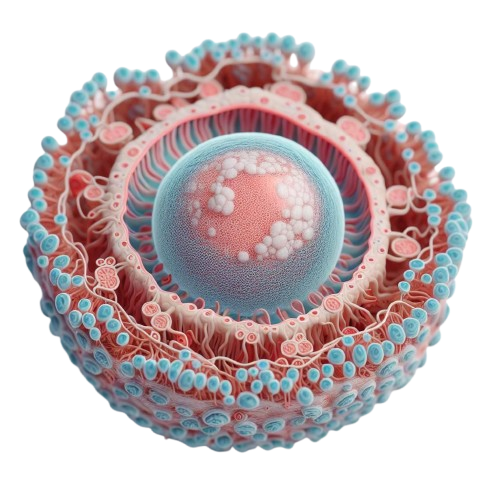
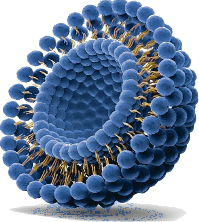
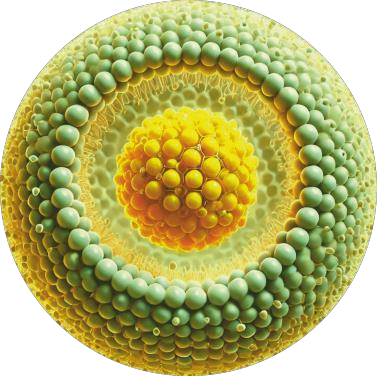
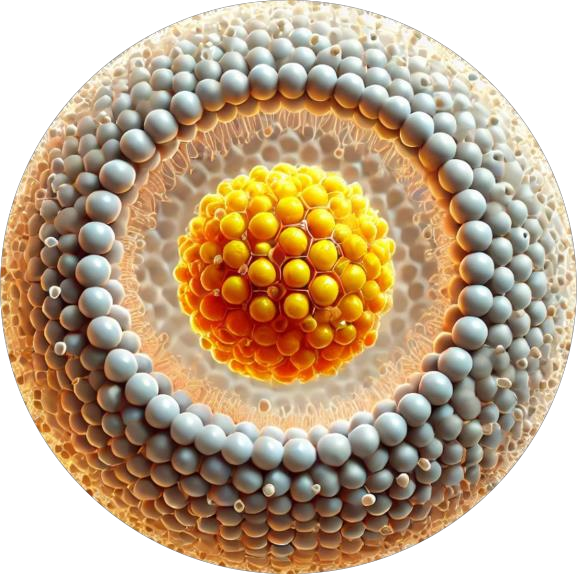
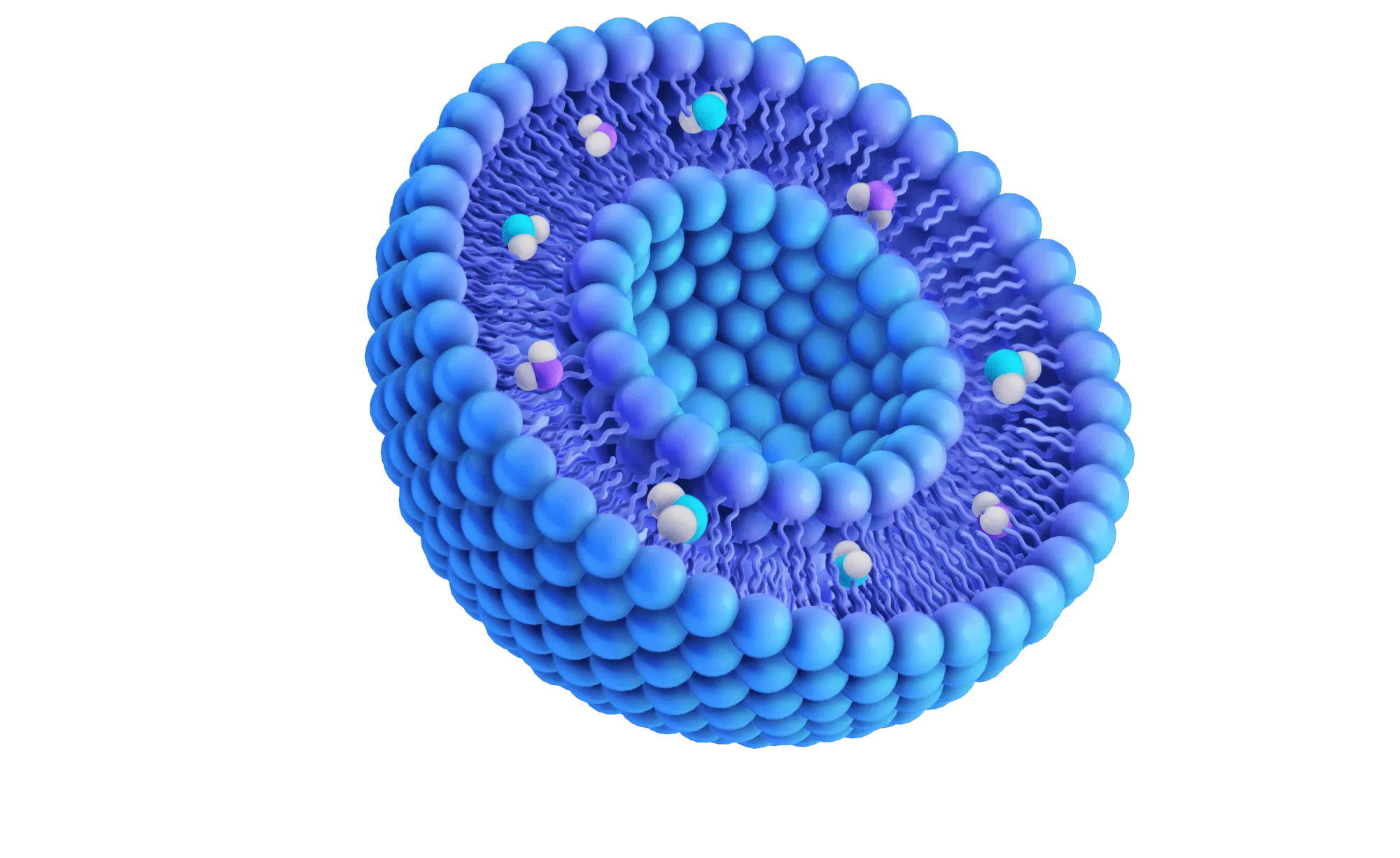
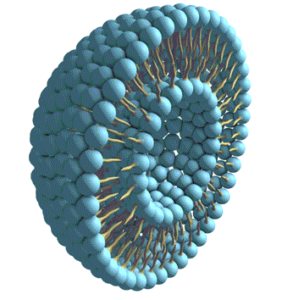
Liposomes are microscopic, spherical vesicles made from phospholipid bilayers, mimicking the structure of human cell membranes. This allows them to:

  • lists-img Encapsulate both hydrophilic (water-soluble) and lipophilic (fat-soluble) nutrients
  • lists-img Merge naturally with cells for efficient nutrient delivery
  • lists-img Overcome challenges like poor solubility, low absorption, and nutrient degradation

Scientific Validation Behind Every Liposomal Innovation

At OZABIO®, we believe true wellness begins with science. Our commitment to efficacy, safety, and bioavailability is rooted in advanced research. To ensure the highest standards, we conduct extensive in-vitro (lab-based) and in-vivo (real-world) testing. These studies allow us to evaluate nutrient absorption, behavior in biological systems, and overall effectiveness. From testing stability and cellular uptake to assessing real-world results, every formulation is backed by data — ensuring it performs both in theory and in practice.

Key Benefits of
Liposomal Technology

Improved Stability
insurance
Enhanced Absorption
emulsion (1)
Increased Bioavailability
bioavailability (2)
Targeted Drug Delivery
pharmaceutical-delivery-symbol-with-drugs (1)
schedule
Longer Shelf Life
capsule (1)
Broader Range Nutrient Delivery
bottle
Smaller Dosage
gastrointestinal-tract
Reduced Gastrointestinal Side Effects

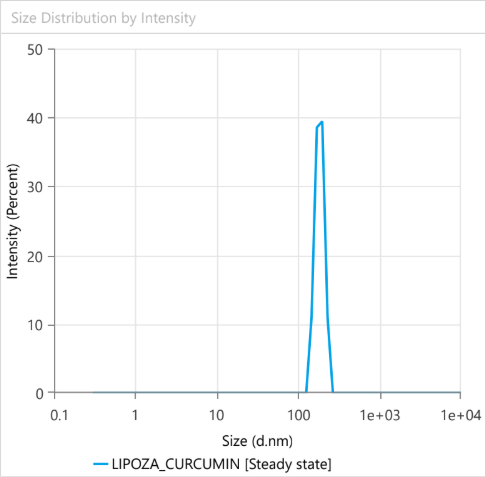
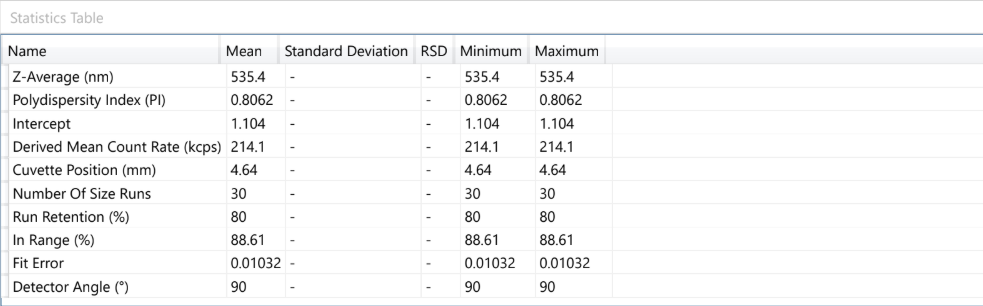
Dynamic Light Scattering (DLS) for particle size measurement

Dynamic Light Scattering (DLS) is employed to evaluate the particle size distribution and polydispersity of liposomal formulations, providing essential information on colloidal stability, dispersion uniformity, and potential bioavailability.
For example – Lipoza®-Curcumin

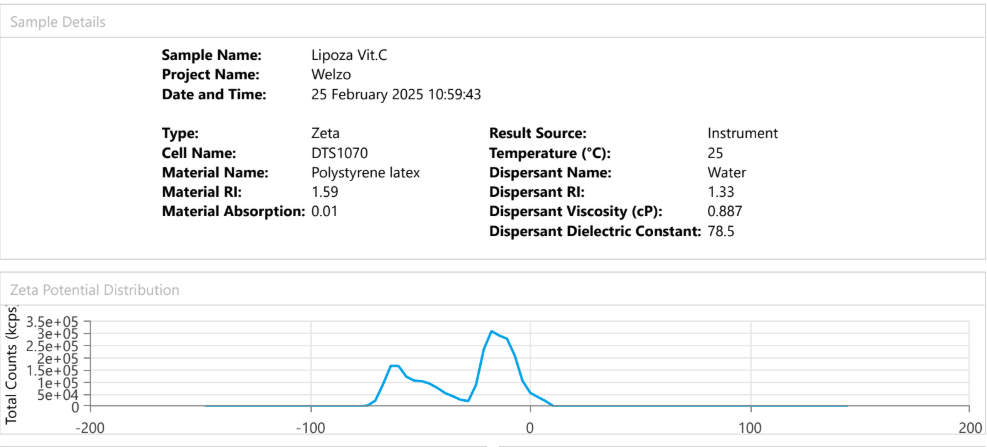
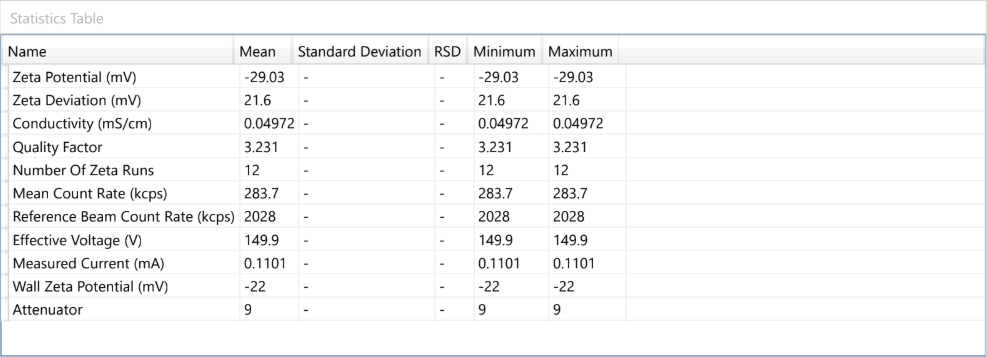
Zeta Potential Analysis for surface charge and stability

Zeta potential analysis provides insight into the surface charge and colloidal stability of liposomal formulations, where higher negative values indicate improved dispersion stability and reduced risk of particle aggregation.
For example – Lipoza®-VitC

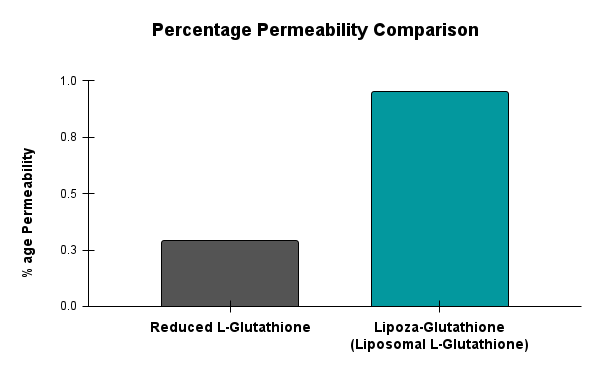
Absorption and permeability through models like Caco-2 cell lines.

Caco-2 studies utilize human intestinal epithelial cell monolayers to evaluate the permeability and predicted absorption of test substances across the gut barrier.

For example – Lipoza-Glutathione
Demonstrated superior permeability, showing 0.95% transport compared to 0.29% for Reduced L-Glutathione—an approximate 3.28-fold increase. This enhanced permeability, despite lower glutathione content, indicates improved intestinal absorption and supports its potential as a more bioavailable form of glutathione supplementation.

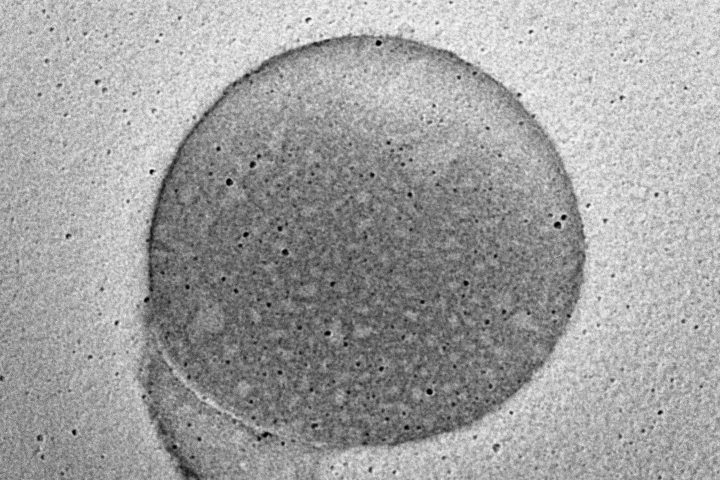
1.TEM-Based Structural Analysis of Liposomal Formulations

Transmission Electron Microscopy (TEM) provides high-resolution visualization of liposomal morphology, enabling assessment of vesicle size, shape, and internal structure. Liposomes generally appear as well-defined spherical vesicles with a distinct bilayer and a darker core region.
For example – Lipoza®-Q10

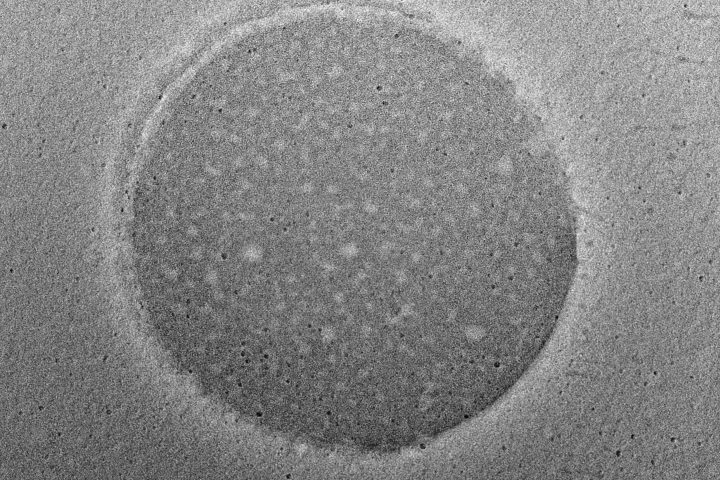
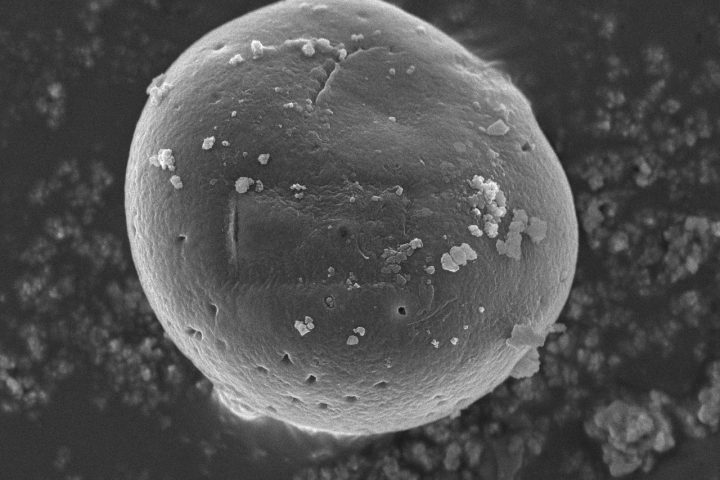
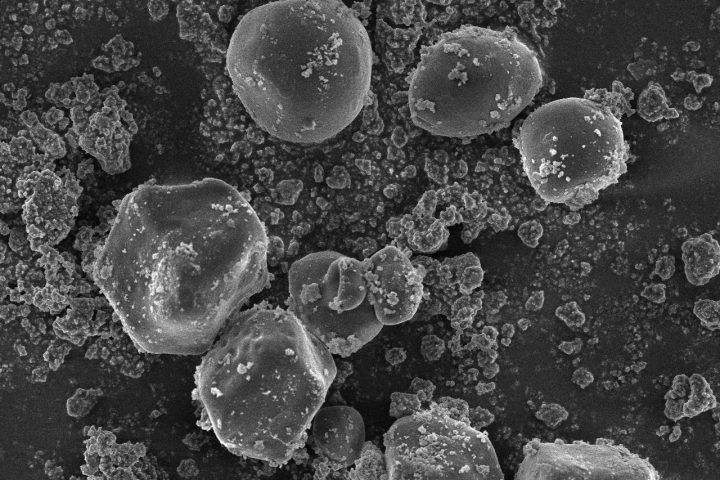
2.SEM-Based Surface Characterization of Liposomes

Scanning Electron Microscopy (SEM) offers detailed visualization of surface morphology, enabling assessment of particle texture, external structure, and overall physical characteristics of liposomal powders. This technique helps confirm uniformity, surface smoothness, and morphological integrity of the formulation.
For example – Lipoza®-Fe
ozabio
Contact Form

Contact Information

Fill out the form below and we'll get back to you soon

Form submitted successfully! We'll contact you soon.
There was an error submitting the form. Please try again.

* indicates required question