+ (480) 555-0103
im
1234 North Avenue Luke Lane
Follow us :

astapower Natural Astaxanthin (Haematococcus Pluvialis)

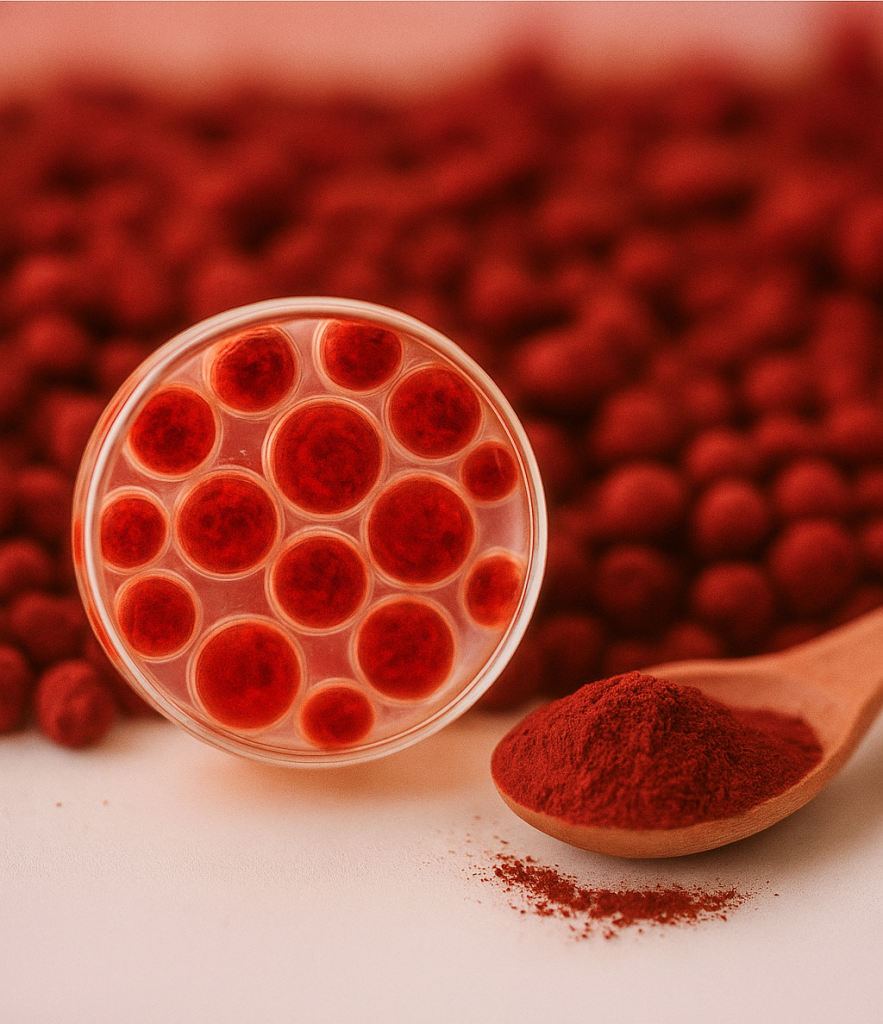
Ozabio’s Astaxanthin in astapower is a Natural Astaxanthin derived from microalgae Haematococcus pluvialis. Astaxanthin is a potent and powerful bifocal antioxidant. It acts on the lipid cell wall giving it a structural integrity and also it acts on mitochondria giving it a functional integrity.
Astaxanthin as a antioxidant is 550 times stronger than Vitamin-E and 6000 times stronger than Vitamin-C. Astaxanthin is commonly found in salmon, shrimp, and krill, contributing to their distinctive pink or red colour.
Astaxanthin offers potential health benefits like Cardiovascular Health, Visual Health, Skin Health. Astaxanthin is a great product for Athletes as it supports muscle endurance by reducing lactic acid accumulation and provides faster muscle recovery after exercise.

Role Of Astaxanthin

Astaxanthin is biologically available in many tissues and organs. It crosses the Blood Brain Barrier and also Blood Retinal Barrier because of which it has Multifaceted benefits.

Strong Anti-oxidant

ozabio

Visual Health

ozabio

Cardiovascular Health

ozabio

Immune Support

ozabio

Cellular Health

Skin Health

ozabio

Healthy Aging

ozabio

Joint Health

ozabio

Athletic Performance

Male Fertility

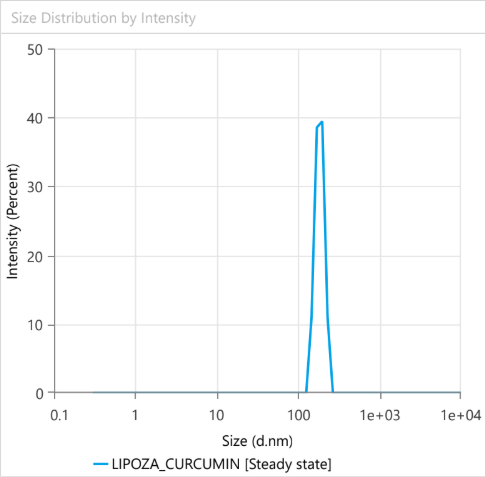
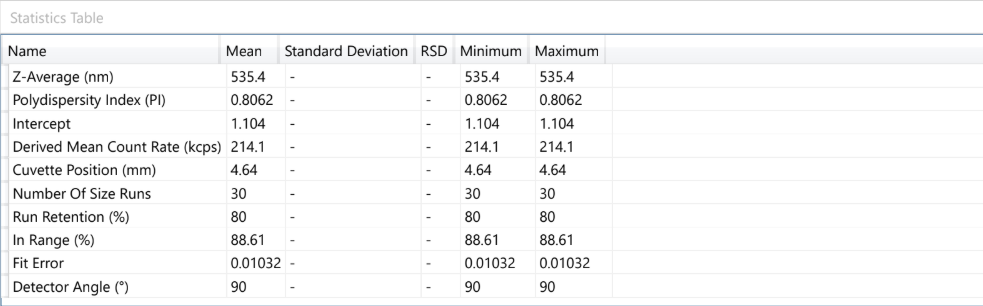
Dynamic Light Scattering (DLS) for particle size measurement

Dynamic Light Scattering (DLS) is employed to evaluate the particle size distribution and polydispersity of liposomal formulations, providing essential information on colloidal stability, dispersion uniformity, and potential bioavailability.
For example – Lipoza®-Curcumin

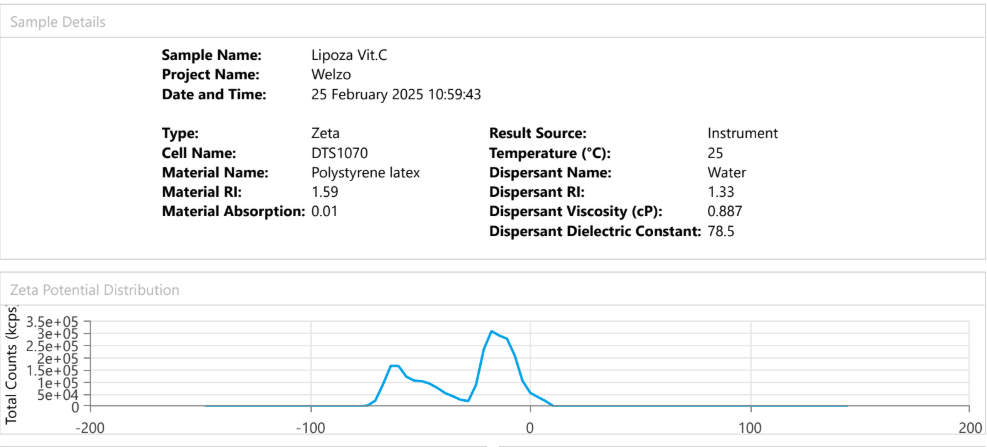
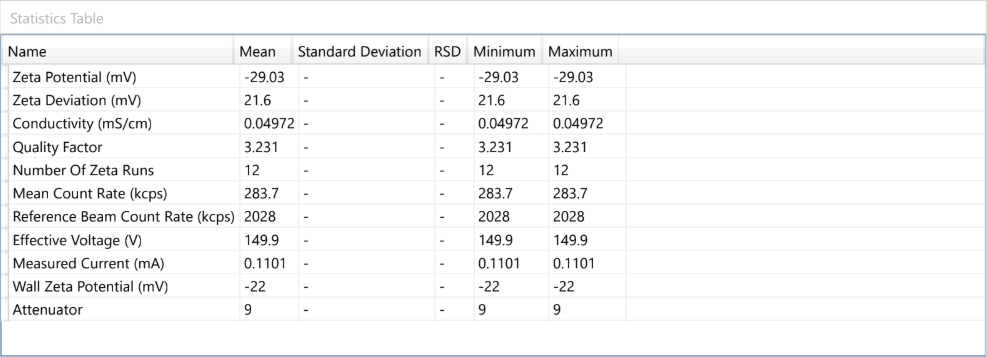
Zeta Potential Analysis for surface charge and stability

Zeta potential analysis provides insight into the surface charge and colloidal stability of liposomal formulations, where higher negative values indicate improved dispersion stability and reduced risk of particle aggregation.
For example – Lipoza®-VitC

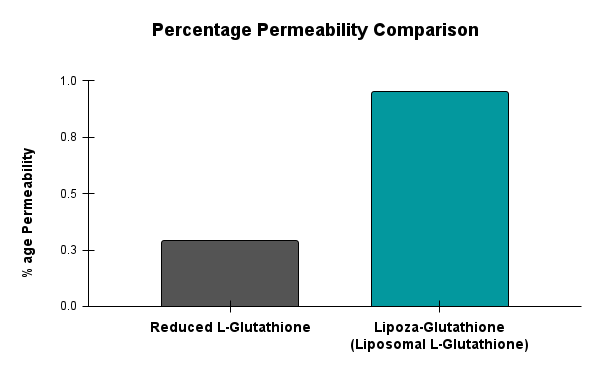
Absorption and permeability through models like Caco-2 cell lines.

Caco-2 studies utilize human intestinal epithelial cell monolayers to evaluate the permeability and predicted absorption of test substances across the gut barrier.

For example – Lipoza-Glutathione
Demonstrated superior permeability, showing 0.95% transport compared to 0.29% for Reduced L-Glutathione—an approximate 3.28-fold increase. This enhanced permeability, despite lower glutathione content, indicates improved intestinal absorption and supports its potential as a more bioavailable form of glutathione supplementation.

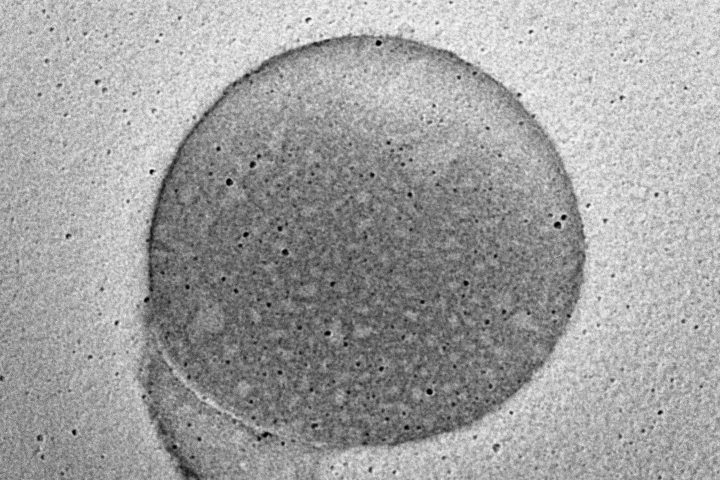
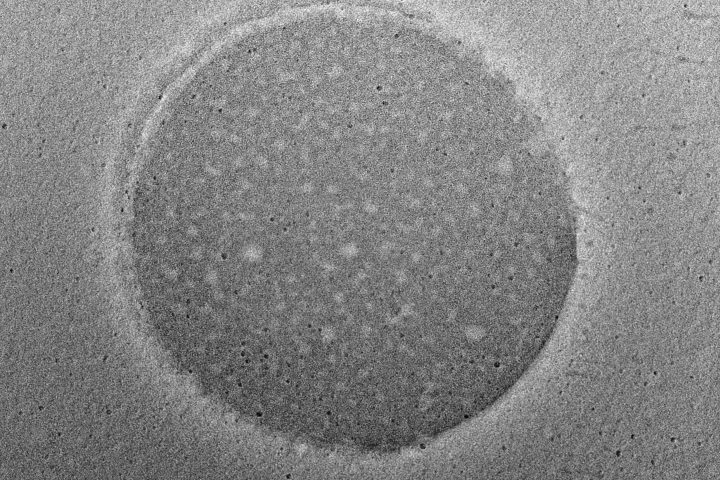
1.TEM-Based Structural Analysis of Liposomal Formulations

Transmission Electron Microscopy (TEM) provides high-resolution visualization of liposomal morphology, enabling assessment of vesicle size, shape, and internal structure. Liposomes generally appear as well-defined spherical vesicles with a distinct bilayer and a darker core region.
For example – Lipoza®-Q10

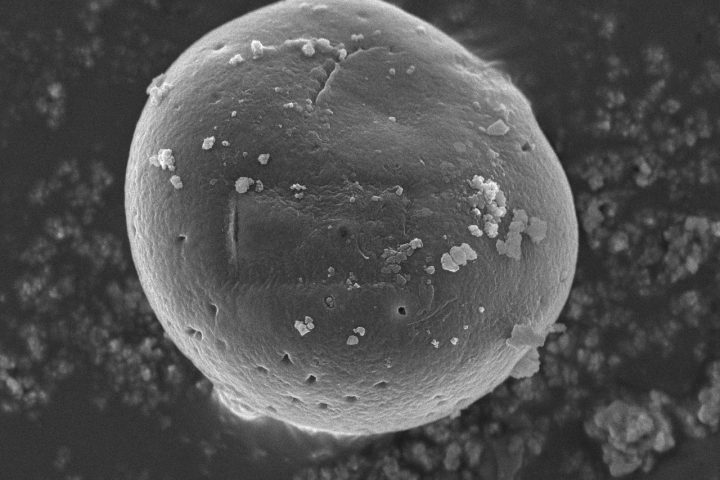
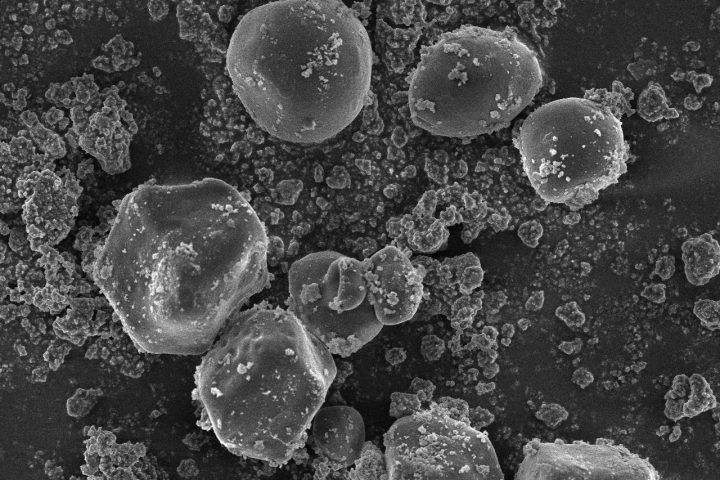
2.SEM-Based Surface Characterization of Liposomes

Scanning Electron Microscopy (SEM) offers detailed visualization of surface morphology, enabling assessment of particle texture, external structure, and overall physical characteristics of liposomal powders. This technique helps confirm uniformity, surface smoothness, and morphological integrity of the formulation.
For example – Lipoza®-Fe
ozabio
Contact Form

Contact Information

Fill out the form below and we'll get back to you soon

Form submitted successfully! We'll contact you soon.
There was an error submitting the form. Please try again.

* indicates required question