Comprehensive Evaluation of Liposomal Formulations
At OzaBio, our Research & Development is driven by a rigorous, science-led approach focused on developing high-performance liposomal nutraceutical solutions with enhanced bioavailability and functional efficiency. Each formulation undergoes a comprehensive and systematic evaluation, beginning with detailed physicochemical characterization, including particle size distribution, zeta potential, and encapsulation efficiency, which are critical to ensuring stability and effective delivery. This is complemented by in-vitro performance assessments such as dissolution profiling and permeability studies, along with comparative analysis against conventional delivery systems to validate improved absorption dynamics. Our formulations are further designed to exhibit controlled and sustained release behavior, ensuring optimal nutrient protection and delivery under physiological conditions. Extensive stability and compatibility studies are conducted under varied environmental parameters to confirm product integrity, robustness, and shelf-life reliability. Where applicable, formulations are supported by preclinical and human-based evaluations to strengthen safety and performance validation. Backed by advanced analytical techniques and aligned with globally accepted quality standards, our R&D framework ensures consistency, reliability, and innovation, enabling us to deliver scientifically validated liposomal solutions tailored for diverse nutraceutical applications.
Comprehensive Evaluation of Liposomal Formulations
At OzaBio, our Research & Development is driven by a rigorous, science-led approach focused on developing high-performance liposomal nutraceutical solutions with enhanced bioavailability and functional efficiency. Each formulation undergoes a comprehensive and systematic evaluation, beginning with detailed physicochemical characterization, including particle size distribution, zeta potential, and encapsulation efficiency, which are critical to ensuring stability and effective delivery. This is complemented by in-vitro performance assessments such as dissolution profiling and permeability studies, along with comparative analysis against conventional delivery systems to validate improved absorption dynamics. Our formulations are further designed to exhibit controlled and sustained release behavior, ensuring optimal nutrient protection and delivery under physiological conditions. Extensive stability and compatibility studies are conducted under varied environmental parameters to confirm product integrity, robustness, and shelf-life reliability. Where applicable, formulations are supported by preclinical and human-based evaluations to strengthen safety and performance validation. Backed by advanced analytical techniques and aligned with globally accepted quality standards, our R&D framework ensures consistency, reliability, and innovation, enabling us to deliver scientifically validated liposomal solutions tailored for diverse nutraceutical applications.
Our research combines advanced analytical techniques with formulation expertise to develop high-performance liposomal ingredients. Through continuous innovation and scientific evaluation, we aim to create solutions designed for better absorption, stability, and functionality.
OzaBio is a global provider of high-quality nutritional ingredients, specializing in advanced liposomal and functional nutraceutical solutions. We are committed to innovation, quality, and improved bioavailability to support modern health and wellness needs.
Fill out the form below and our team will get back to you within 24–48 business hours.
Microscopy (TEM, SEM) for structural analysis
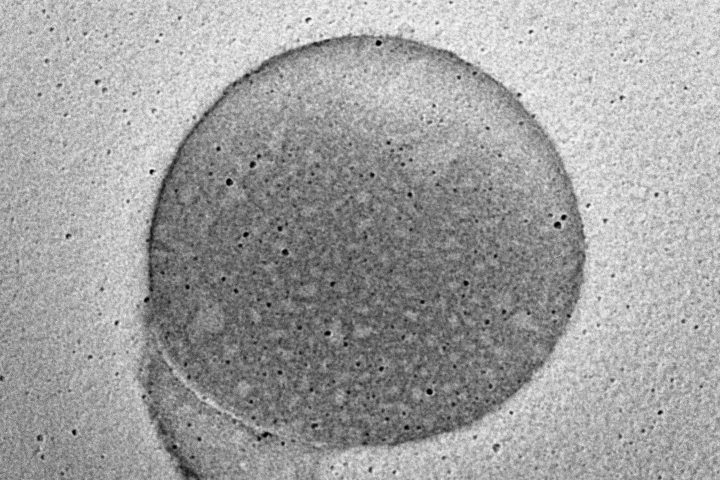
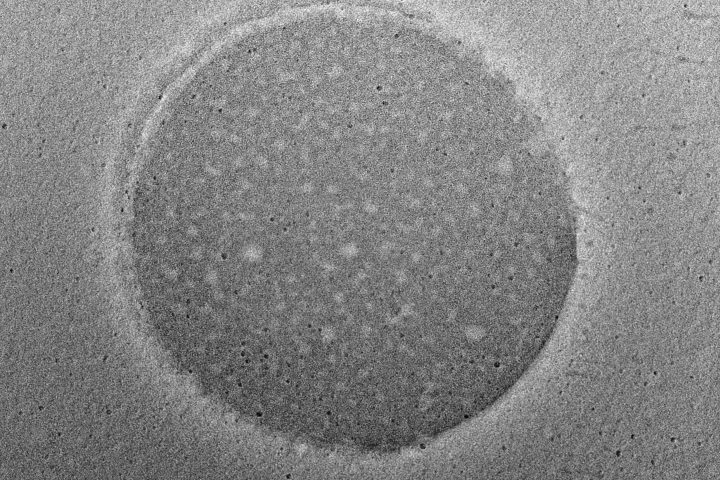
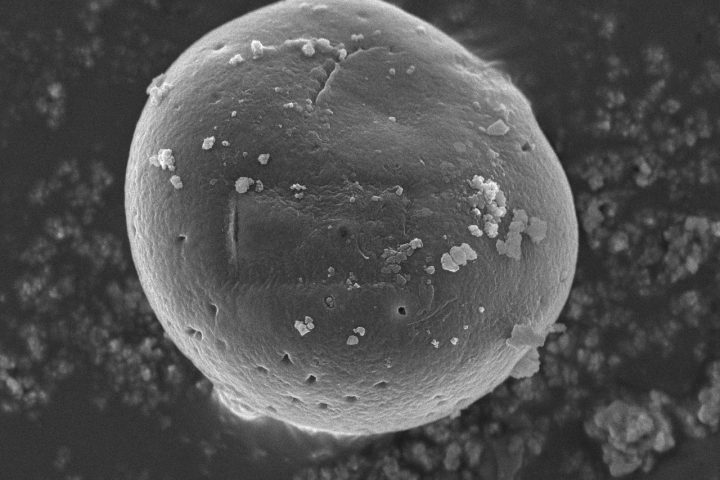
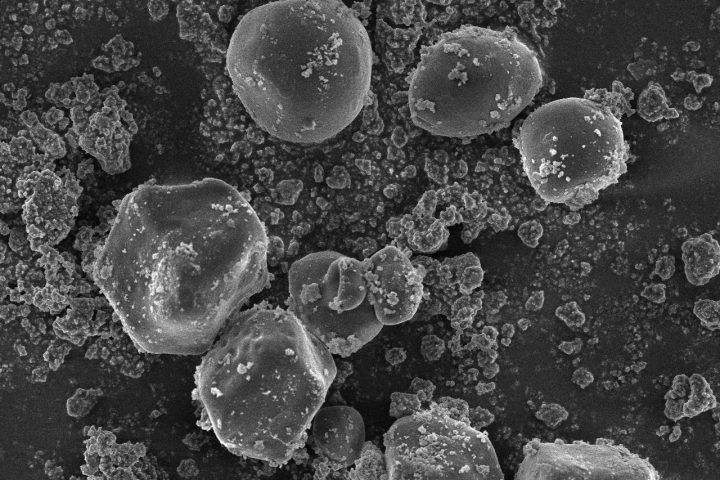
Advanced microscopy techniques such as Transmission Electron Microscopy (TEM) and Scanning Electron Microscopy (SEM) provide a deeper understanding of the structural architecture and surface characteristics of liposomal systems. Through these evaluations, we examine critical attributes such as vesicle formation, morphology, and surface uniformity—factors that directly influence formulation stability and performance.
TEM also provides valuable insights about Membrane integrity and continuity, encapsulation characteristics, aggregation or fusion behavior and surface morphology and defects.
At OzaBio, our microscopy-based analysis reveals well-defined vesicular structures and consistent morphological patterns that indicate a highly optimized formulation design. These structural insights play a crucial role in understanding how liposomal systems maintain integrity, protect active ingredients, and enable efficient delivery.
What lies beneath these microscopic observations offers valuable clues into how formulation design translates into real-world functional performance.
Explore how structural precision at the microscopic level impacts delivery efficiency and stability.
What lies beneath these microscopic observations offers valuable clues into how formulation design translates into real-world functional performance. What lies beneath these microscopic observations offers valuable clues into how formulation design translates into real-world functional performance.
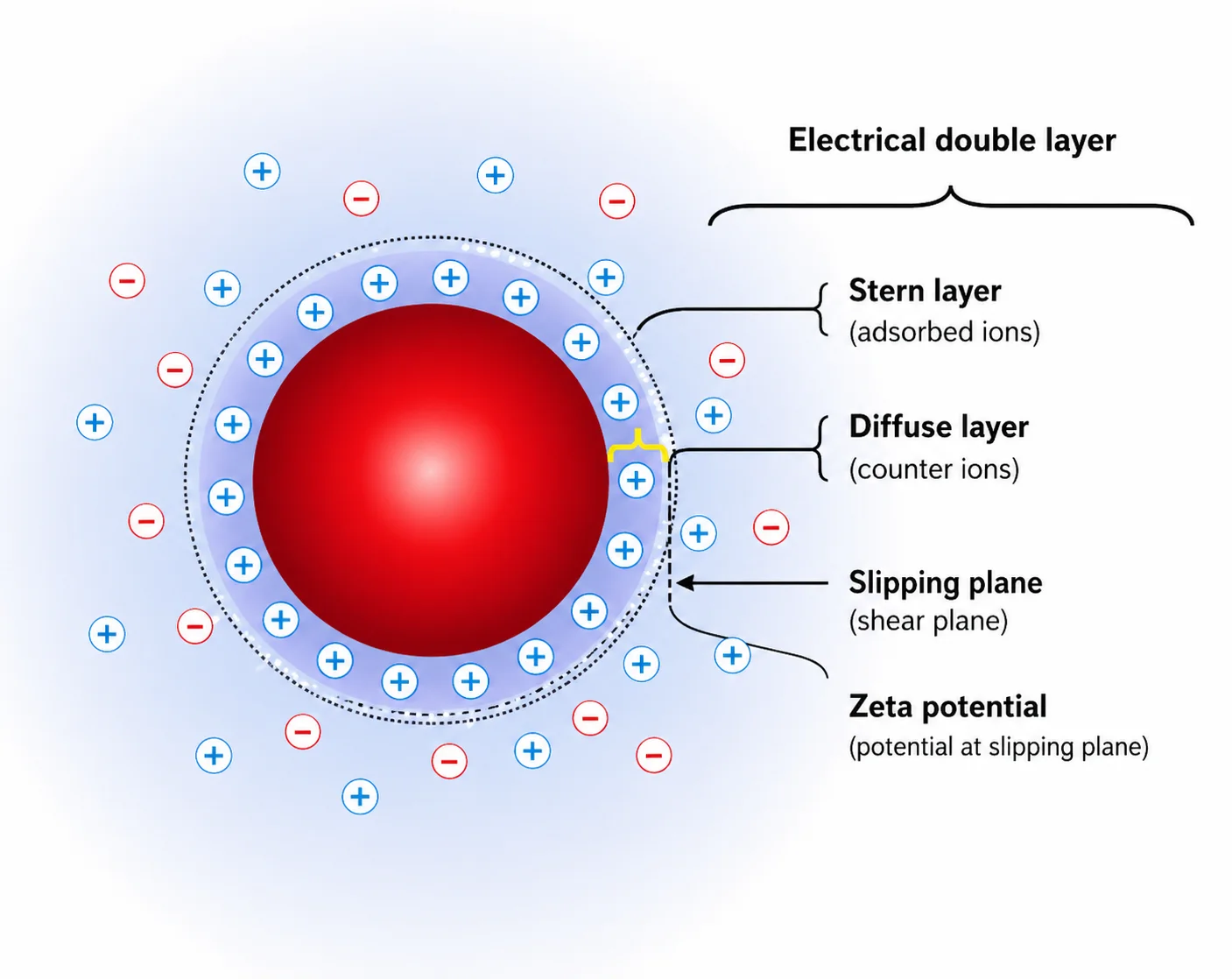
Zeta potential analysis provides critical insight into the surface charge and dispersion stability of liposomal systems, playing a key role in maintaining structural integrity over time. It reflects how effectively liposomal vesicles repel each other, directly influencing aggregation behavior, uniformity, and overall formulation stability.
At OzaBio, our evaluation of zeta potential highlights the importance of achieving an optimal charge balance that supports stable dispersion and consistent performance. These electrostatic interactions are fundamental to preserving the integrity of the liposomal system, ensuring protection of encapsulated ingredients and reliable functionality across conditions. Zeta potential measurements are systematically performed to optimize formulation stability and maintain consistency across batches. Typically, values beyond ±30 mV are indicative of stable systems, supporting enhanced dispersion stability and reduced sedimentation risk. This analysis plays a vital role in ensuring that liposomal formulations retain their structural integrity and functional performance throughout their shelf life.
Subtle variations in surface charge can significantly impact how a formulation behaves—making this parameter a critical indicator of long-term stability and delivery efficiency.
Understand how charge dynamics influence stability and performance at a deeper level.
What lies beneath these microscopic observations offers valuable clues into how formulation design translates into real-world functional performance. What lies beneath these microscopic observations offers valuable clues into how formulation design translates into real-world functional performance.
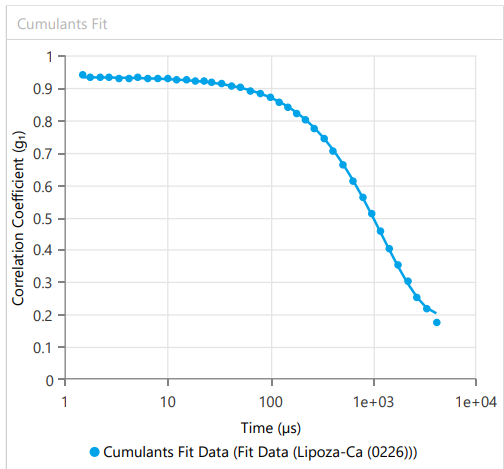
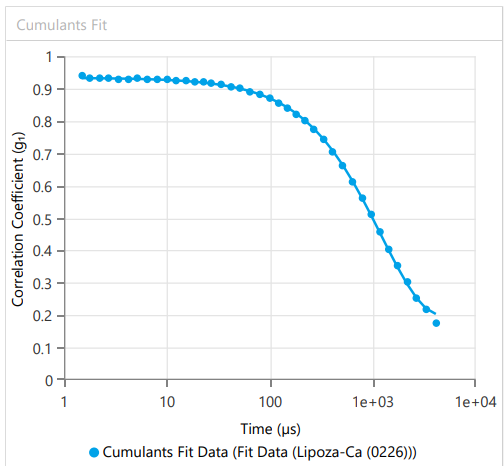
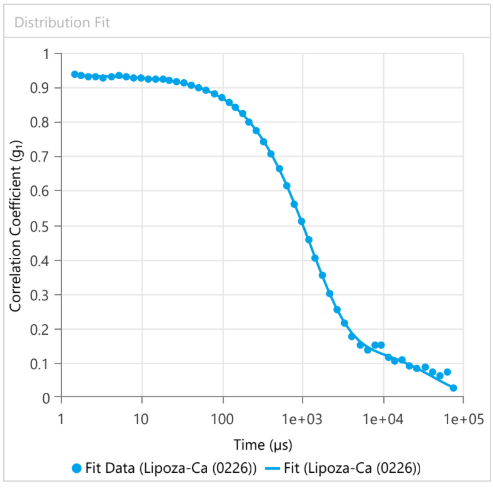
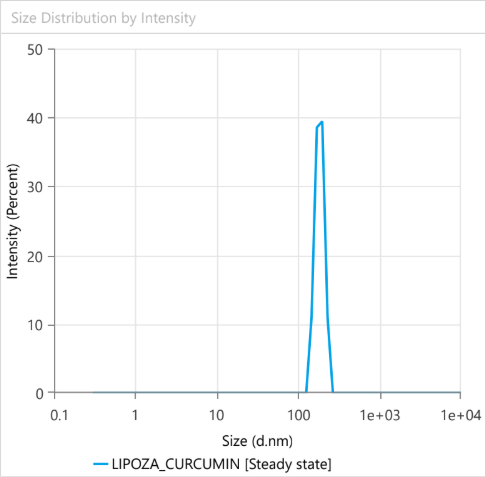
Dynamic Light Scattering (DLS) plays a vital role in understanding the particle size distribution and dispersion behavior of liposomal formulations—key factors that directly influence absorption, stability, and overall performance.
At OzaBio®, DLS analysis provides insights into how precisely controlled particle size contributes to uniformity and optimized delivery efficiency.
well-defined size distribution ensures that liposomal systems remain consistently dispersed, minimizing aggregation while supporting effective interaction with biological membranes.
What makes this parameter particularly critical is how even slight variations in particle size can impact absorption dynamics and release behavior—ultimately determining how efficiently the formulation performs.
Discover how controlled particle size shapes stability, absorption, and functional performance.
The Caco-2 cell model is widely recognized as a reliable in-vitro system for evaluating intestinal permeability and absorption potential of nutraceutical formulations. It provides critical insight into how effectively an active ingredient can be transported across the intestinal barrier.
At OzaBio, our permeability studies highlight how liposomal systems can significantly influence transcellular transport and absorption behavior compared to conventional forms.
By enabling more efficient passage across intestinal cell layers, these formulations demonstrate the potential for improved uptake and enhanced bioavailability.
What makes these findings particularly impactful is the ability to observe measurable differences in permeability performance offering a clearer understanding of how formulation design translates into real absorption efficiency.
Explore how advanced delivery systems improve intestinal transport and absorption potential.
What lies beneath these microscopic observations offers valuable clues into how formulation design translates into real-world functional performance. What lies beneath these microscopic observations offers valuable clues into how formulation design translates into real-world functional performance.
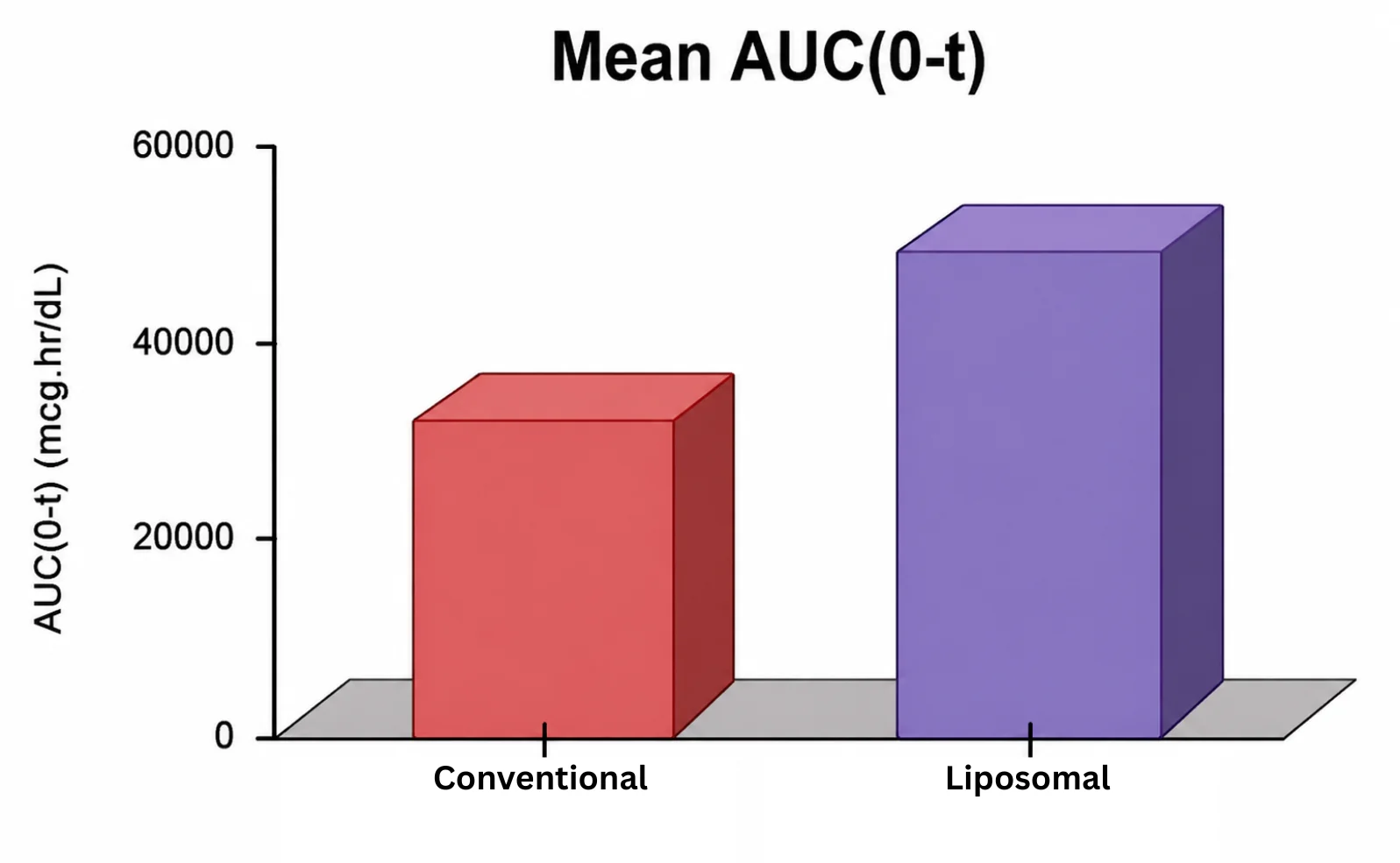
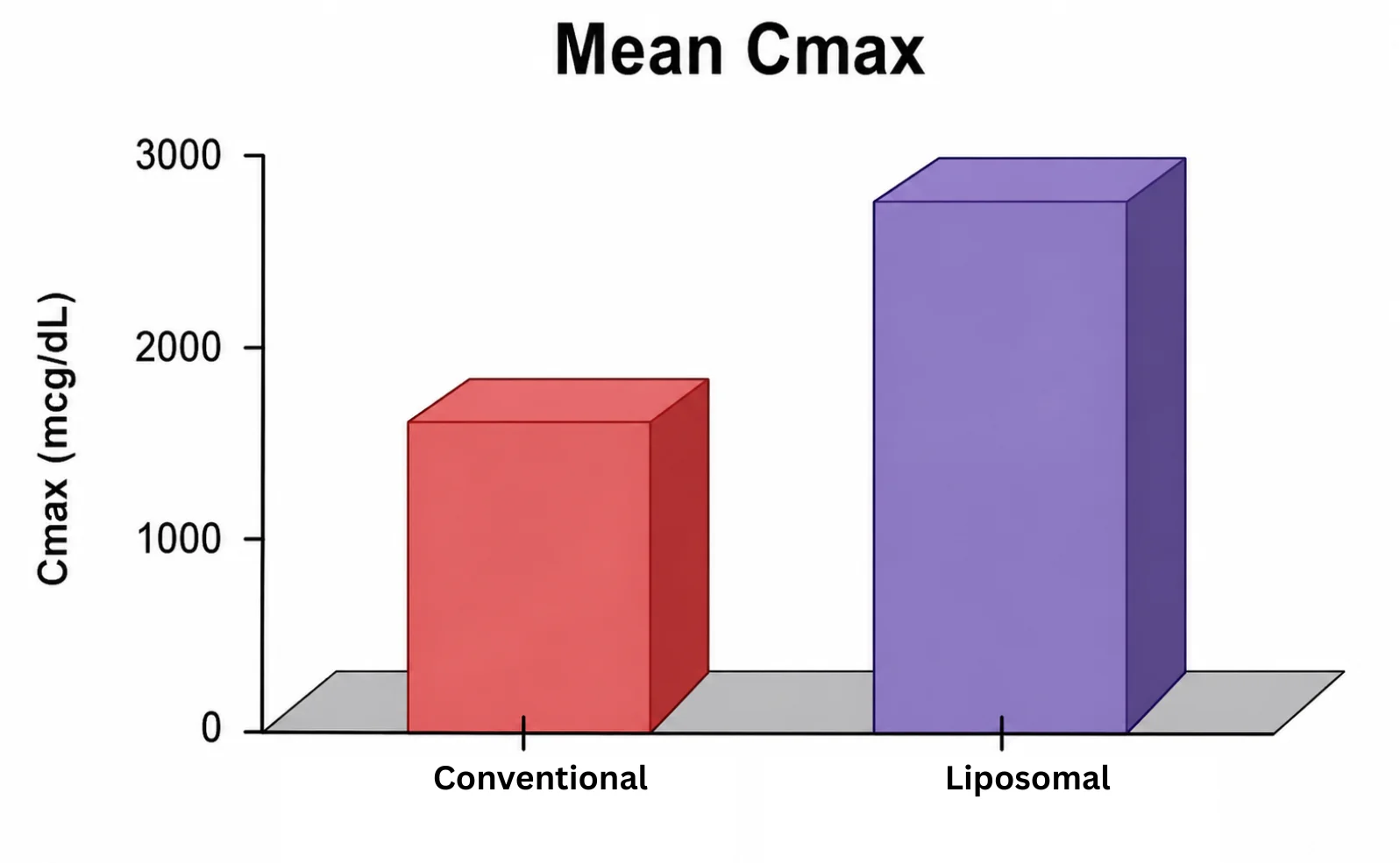
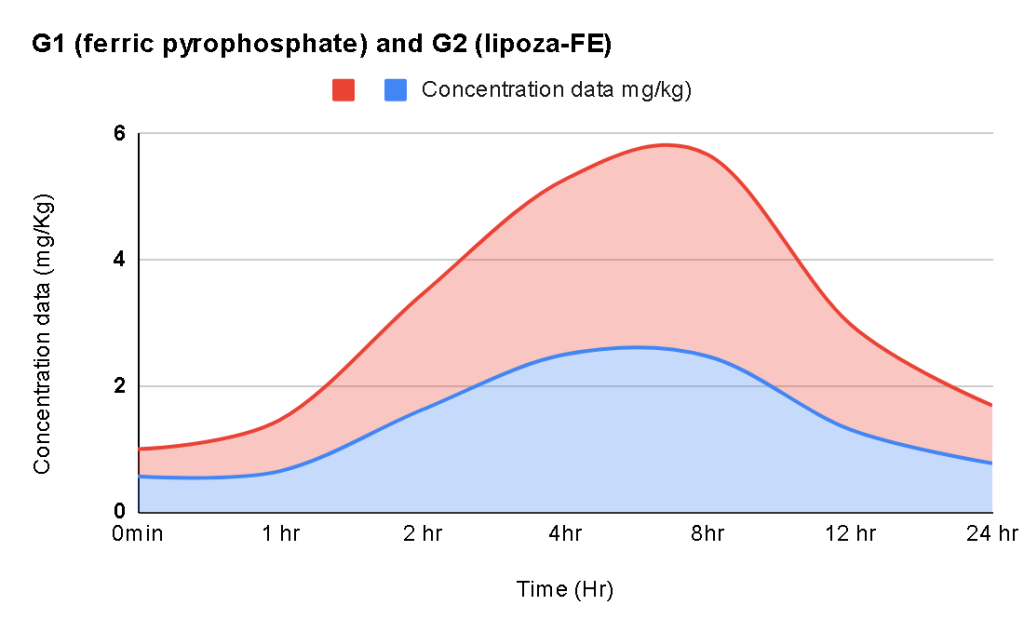
In-vivo studies provide critical insight into how liposomal formulations perform within a biological system, offering a closer representation of real absorption and bioavailability. These evaluations help assess how effectively an active ingredient is absorbed, distributed, and made available systemically after administration.
At OzaBio, our preclinical assessments demonstrate how liposomal delivery can influence key pharmacokinetic responses, reflecting improved systemic availability compared to conventional formats. These findings highlight the role of advanced formulation design in enhancing absorption efficiency and supporting consistent performance within the body.
What makes these studies particularly valuable is their ability to capture dynamic biological interactions-revealing how formulation strategies translate into measurable improvements in real-world conditions.
Discover how liposomal technology enhances in-vivo performance and systemic availability.
What lies beneath these microscopic observations offers valuable clues into how formulation design translates into real-world functional performance. What lies beneath these microscopic observations offers valuable clues into how formulation design translates into real-world functional performance.
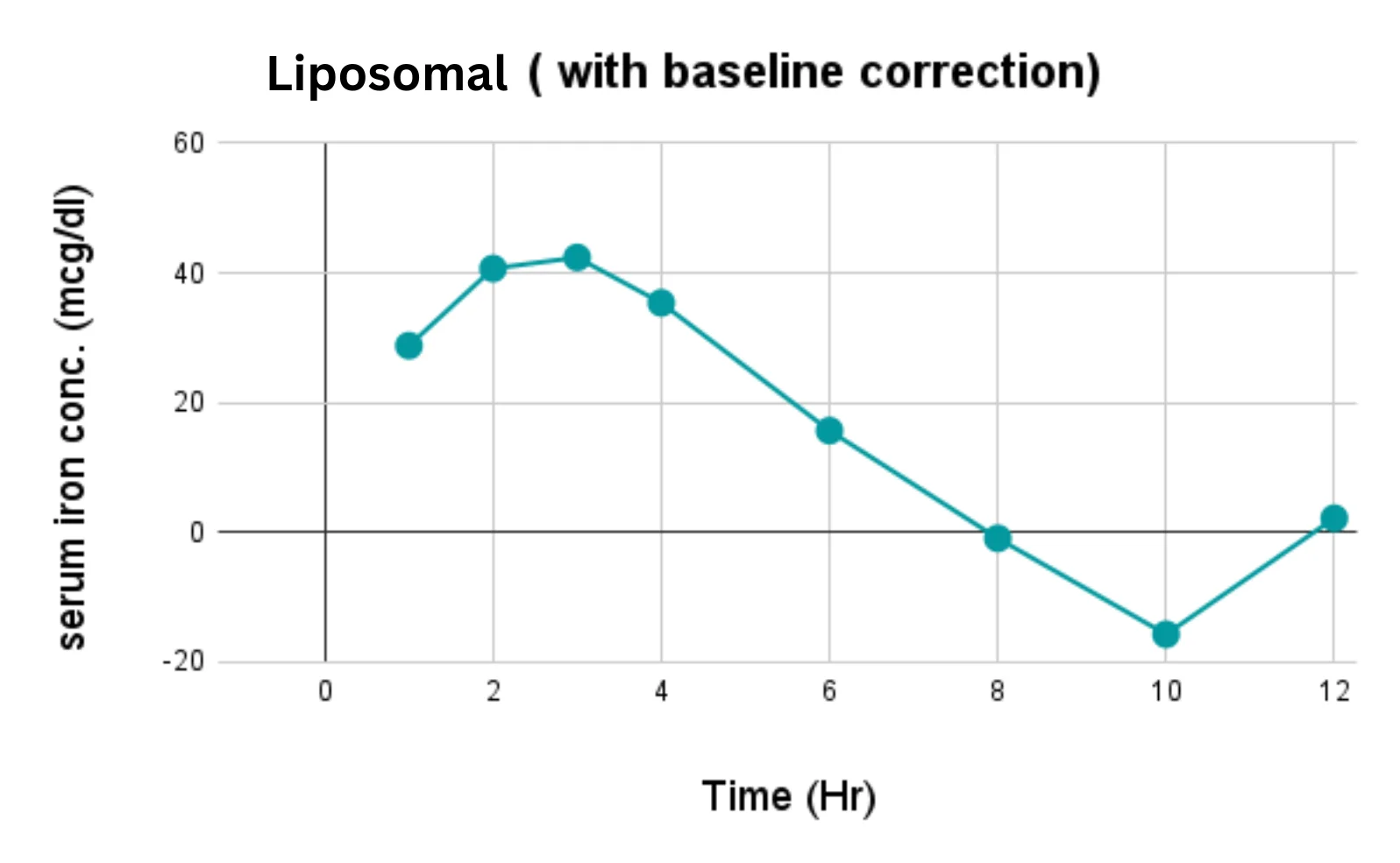
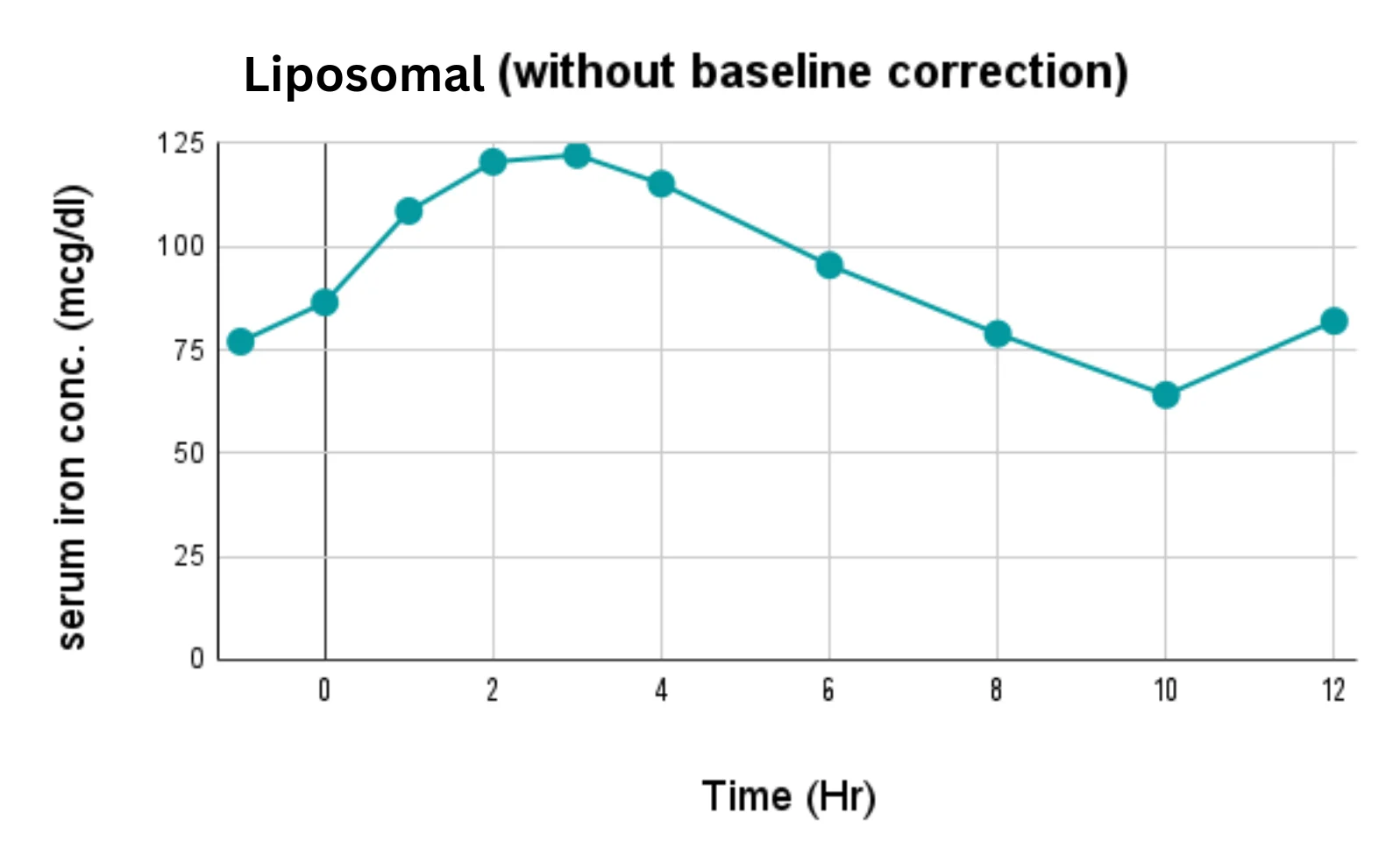
Human-based evaluations provide the most relevant insights into how liposomal formulations perform under real physiological conditions. These studies help assess the effectiveness of nutrient delivery by monitoring how efficiently active ingredients are absorbed and made available in the body.
At OzaBio, our clinical assessments highlight how advanced liposomal systems can influence absorption profiles and systemic availability, demonstrating improved performance compared to conventional delivery formats. These observations reinforce the role of formulation design in achieving more consistent and efficient nutrient uptake.
What makes these findings particularly compelling is the ability to observe clear differences in how the body responds—offering meaningful insight into the practical benefits of liposomal delivery systems.
Explore how clinically evaluated liposomal formulations translate into real-world effectiveness.
What lies beneath these microscopic observations offers valuable clues into how formulation design translates into real-world functional performance. What lies beneath these microscopic observations offers valuable clues into how formulation design translates into real-world functional performance.
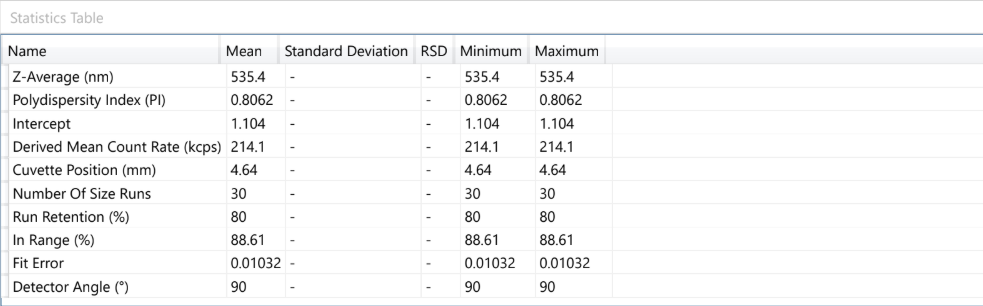
Dynamic Light Scattering (DLS) for particle size measurement
Dynamic Light Scattering (DLS) is employed to evaluate the particle size distribution and polydispersity of liposomal formulations, providing essential information on colloidal stability, dispersion uniformity, and potential bioavailability. For example – Lipoza®-Curcumin
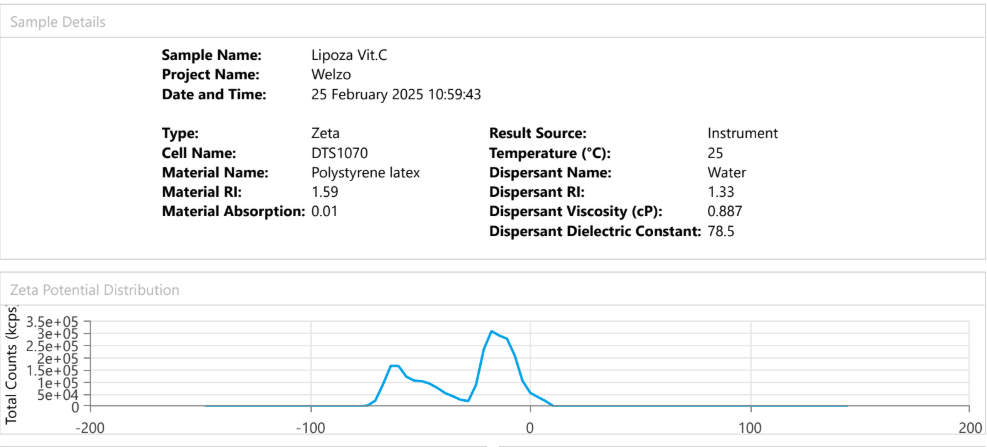
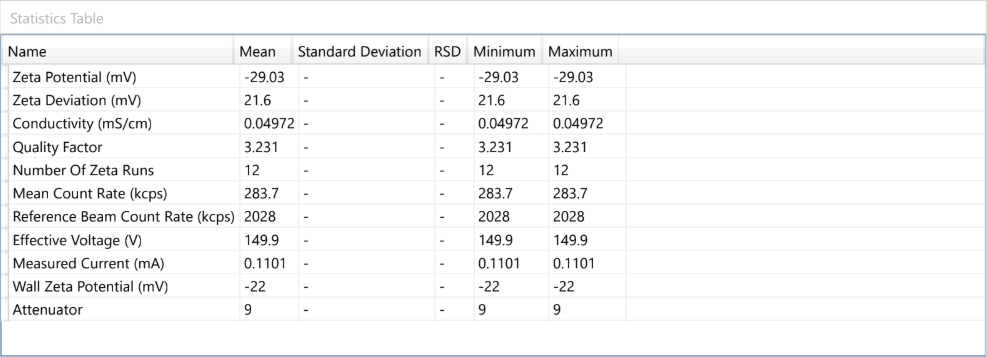
Zeta Potential Analysis for surface charge and stability
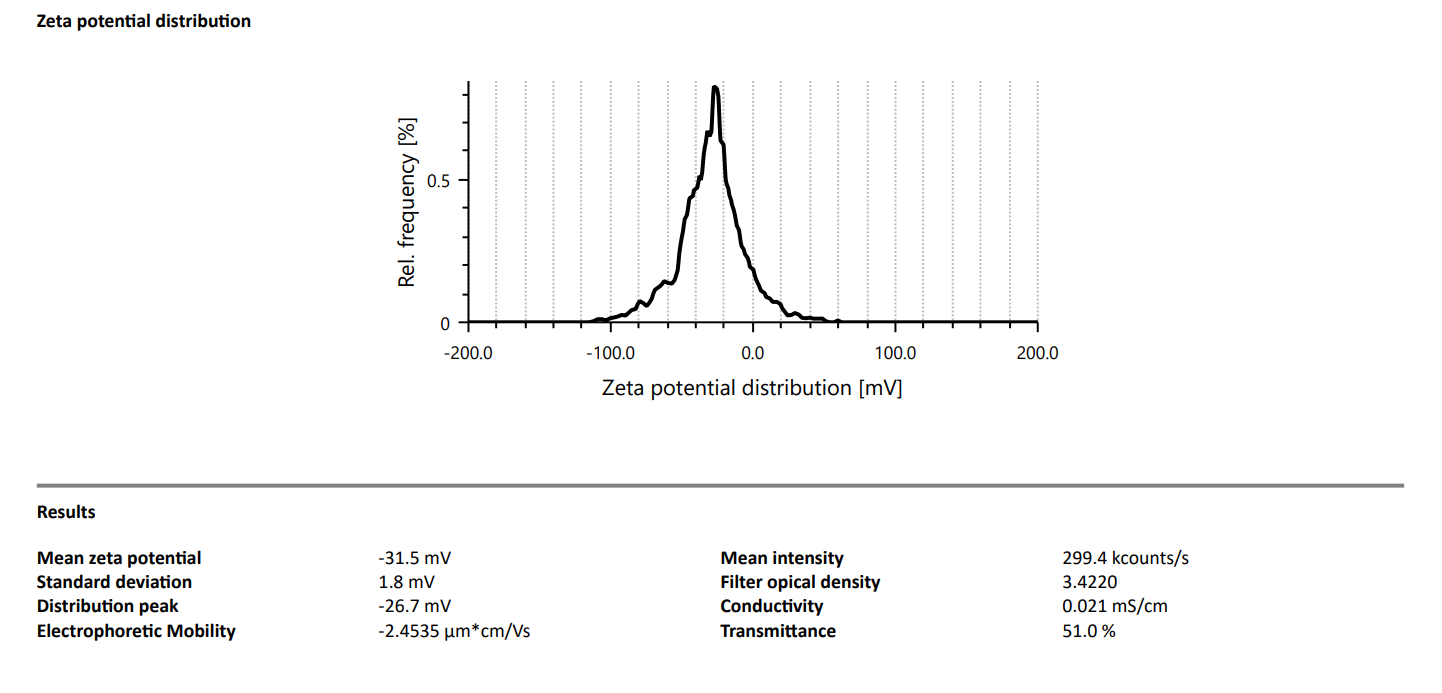
Zeta potential analysis provides insight into the surface charge and colloidal stability of liposomal formulations, where higher negative values indicate improved dispersion stability and reduced risk of particle aggregation.
For example – Lipoza®-VitC
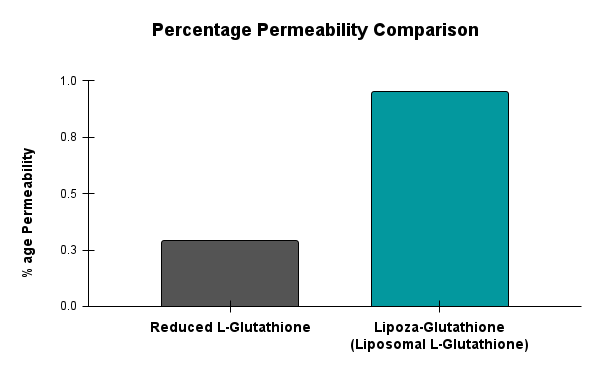
Absorption and permeability through models like Caco-2 cell lines.
Caco-2 studies utilize human intestinal epithelial cell monolayers to evaluate the permeability and predicted absorption of test substances across the gut barrier.
For example – Lipoza-Glutathione Demonstrated superior permeability, showing 0.95% transport compared to 0.29% for Reduced L-Glutathione—an approximate 3.28-fold increase. This enhanced permeability, despite lower glutathione content, indicates improved intestinal absorption and supports its potential as a more bioavailable form of glutathione supplementation.
1.TEM-Based Structural Analysis of Liposomal Formulations
Transmission Electron Microscopy (TEM) provides high-resolution visualization of liposomal morphology, enabling assessment of vesicle size, shape, and internal structure. Liposomes generally appear as well-defined spherical vesicles with a distinct bilayer and a darker core region.
For example – Lipoza®-Q10
2.SEM-Based Surface Characterization of Liposomes
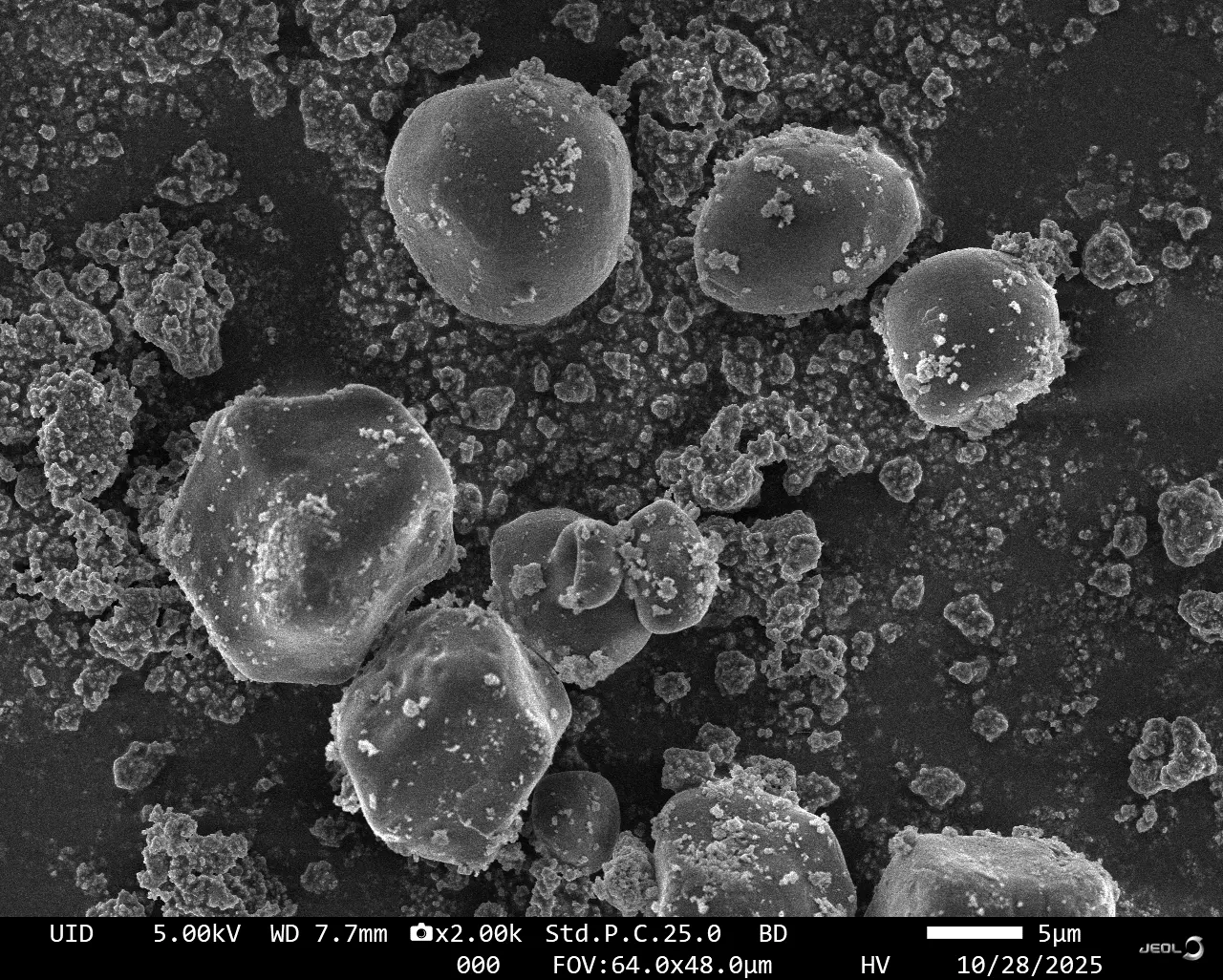
Scanning Electron Microscopy (SEM) offers detailed visualization of surface morphology, enabling assessment of particle texture, external structure, and overall physical characteristics of liposomal powders. This technique helps confirm uniformity, surface smoothness, and morphological integrity of the formulation.
For example – Lipoza®-Fe
Contact Form
Contact Information
Fill out the form below and we'll get back to you soon
✓Form submitted successfully! We'll contact you soon.
✗There was an error submitting the form. Please try again.
* indicates required question
For Detailed Study Information Connect With Us
Fill in your details to get more information and discuss your requirements.